
journal · sep 2025
even in our darkest moments
A sermon given at the Saturday night session of Stake Conference. Sept 20, 2025 ______
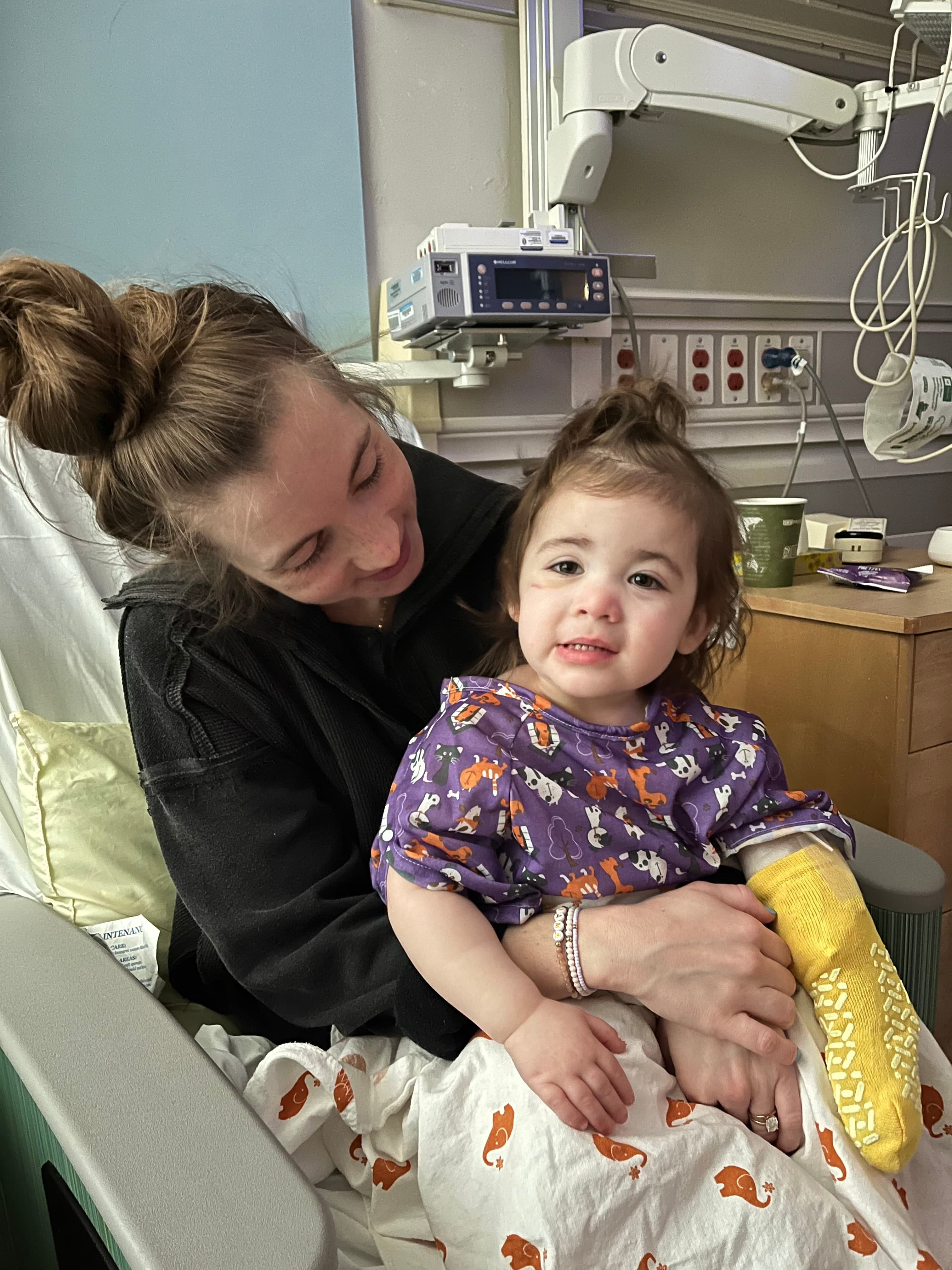
Seizures weren’t unusual for our little Esther. At seven months old she was diagnosed with a rare form of epilepsy and suffered frequent seizures of all types and durations. Last April, my wife and I sat at Esther’s bedside in the hospital after she had suffered a seizure during the night. The doctors and nurses were doing everything they could to figure out why this one was different. After countless blood draws, heavy medications, and lab tests, they found nothing abnormal.
Most of that weekend we spent pacing and praying. We walked all around her room and up and down the hospital hallways, pleading with God to grant her healing. When the brain scan results came back, the doctor walked into the room and invited us to sit down. He spoke quietly and said he was sorry. Then he shared that Esther was not going to wake up from this seizure. This time, the seizure and effects from it had caused too much damage. She would only have a couple more days to live. I collapsed to the floor, my head in my hands, sobbing uncontrollably. In that moment, my trust in God felt betrayed, hollowed out, and full of questions.
In Heavenly Father’s plan, we make covenants—promises that help us become more like God and prepare to dwell in His presence. But in the face of tragedy, why would I want to become more like a God who allows this to happen? Why would He do something like this? Why would He ignore my prayers? Is He good? Can He be trusted?
The first step in making covenants with God is about truly knowing Him—who He is and what He has already promised to us. Without truly knowing who God is we are unlikely to make and keep those promises. That was the hardest part of the tragedy for me. I questioned, “Did I really know who He was?” But then floods of stories and promises came rushing into my mind and heart.
Even in our darkest moments, God promises: “...all things wherewith you have been afflicted shall work together for your good, and to my name’s glory…” All things. No matter what they are, God can turn them for our good.
We catch a glimpse of who God is in the story of Joseph, the son of Jacob. Joseph was sold into slavery by his own brothers. In Egypt, he gained favor with Pharaoh, but then lost everything and was thrown into prison for years. Eventually, he rose again and, in God’s timing, ended up saving the people of Israel. Later, Joseph was reunited with his brothers—who were shocked to see him alive and filled with regret for what they had done. Joseph summed it up with this powerful testimony: ‘You intended to harm me, but God intended it for good, to accomplish what is now being done—the saving of many lives.’ All through his life Joseph was betrayed, robbed of his hard work, and left with questions for God. But in the end, he saw that God had turned something awful into something beautiful.
The other day I was talking to a new friend. Over the past 17 months, since Esther’s passing, meeting new people often follows the same pattern. We exchange names, ask where each other is from and after learning I’m married I get asked how many kids I have. This has become a difficult question to answer. Not because I don’t want to share, but I worry how the other person will respond when I talk about Esther. This time I shared anyway and told my new friend that my oldest daughter had passed on early last year. Surprisingly, he asked several follow-up questions. He asked how it had affected me, my wife and family, and our faith. I told him that I’ve come to believe that after tragedy happens there are only two outcomes — you either become more soft-hearted or more hard-hearted. There is no middle road. After sharing how my relationship with God had grown despite Esther's passing, he shared something that has stuck with me every day since.
He shared, “Ya know maybe Esther knew before this life what would happen. And she agreed to it knowing what good would eventually come with you and your wife’s relationship with God. Maybe she knew that because of her life and death you and your wife would become closer to God, Jesus and each other.”
Whether or not that’s the full picture, what I do know is that it’s in His nature to allow hard things to become beautiful things. That same God who gave me, my sweet Esther, has given you and me His Beloved Son, Jesus Christ. Because of Jesus, God is intimately familiar with tragedy, heartbreak and the pains of mortality. “No member of this Church must ever forget the terrible price paid by our Redeemer, who gave His life that all men might live—the agony of Gethsemane, the bitter mockery of His trial, the vicious crown of thorns tearing at His flesh, the blood cry of the mob before Pilate, the lonely burden of His heavy walk along the way to Calvary, the terrifying pain as great nails pierced His hands and feet. We cannot forget that. We must never forget it, for here our Savior, our Redeemer, the Son of God, gave Himself, a vicarious sacrifice for each of us.”
In that moment, last April, of my deepest pain and suffering on the tear soaked floor of that hospital room, God did not leave me comfortless or betrayed, hollowed out or questioning. He carried me through heart-break the same way he carried Joseph through betrayal. He stands with open arms inviting you and I into a deeper relationship with Him through His Son Jesus. The God with whom we make covenants does His best work even in tragedy, turning our ashes into beauty. And because of Him—because of His Son, Jesus Christ—we can trust that no suffering is wasted and no covenant or promise will go unfulfilled.
In the name of Jesus Christ, amen.